
“My back hurts” is a common health complaint we are hearing more and more. From long hours spent sitting at a desk to poor posture, repetitive strain, stress, and lack of movement, modern lifestyles place significant pressure on the spine.
Many people assume back pain only happens after an injury, but everyday habits often play a much bigger role. Even minor movement restrictions, muscle imbalances, or prolonged sitting can gradually contribute to tension, stiffness, and discomfort.
At Santé Chiropractic & Wellness Centre, we regularly work with patients experiencing neck pain, lower back pain, postural strain, mobility restrictions, and tension related to both work and daily life. The good news is that simple lifestyle habits and proactive spinal care can make a meaningful difference.
Why Spinal Health Matters
Your spine does far more than simply help you stand upright. It supports your body, protects your nervous system, allows movement, absorbs shock, and helps your body function efficiently throughout daily activities.
The spine acts as the central support structure for the body. It allows you to bend, twist, walk, lift, and move while helping distribute forces evenly throughout the body. When the spine is not moving well or is subjected to repeated stress, the surrounding muscles, joints, discs, and nerves may also become irritated or overloaded.
Healthy spinal function plays an important role in:
- Mobility and flexibility
- Balance and coordination
- Posture and stability
- Shock absorption during movement
- Nervous system communication
- Daily comfort and physical performance
Even small changes in posture, movement patterns, or spinal mobility can gradually affect how the body feels and functions over time.
Understanding the Spine
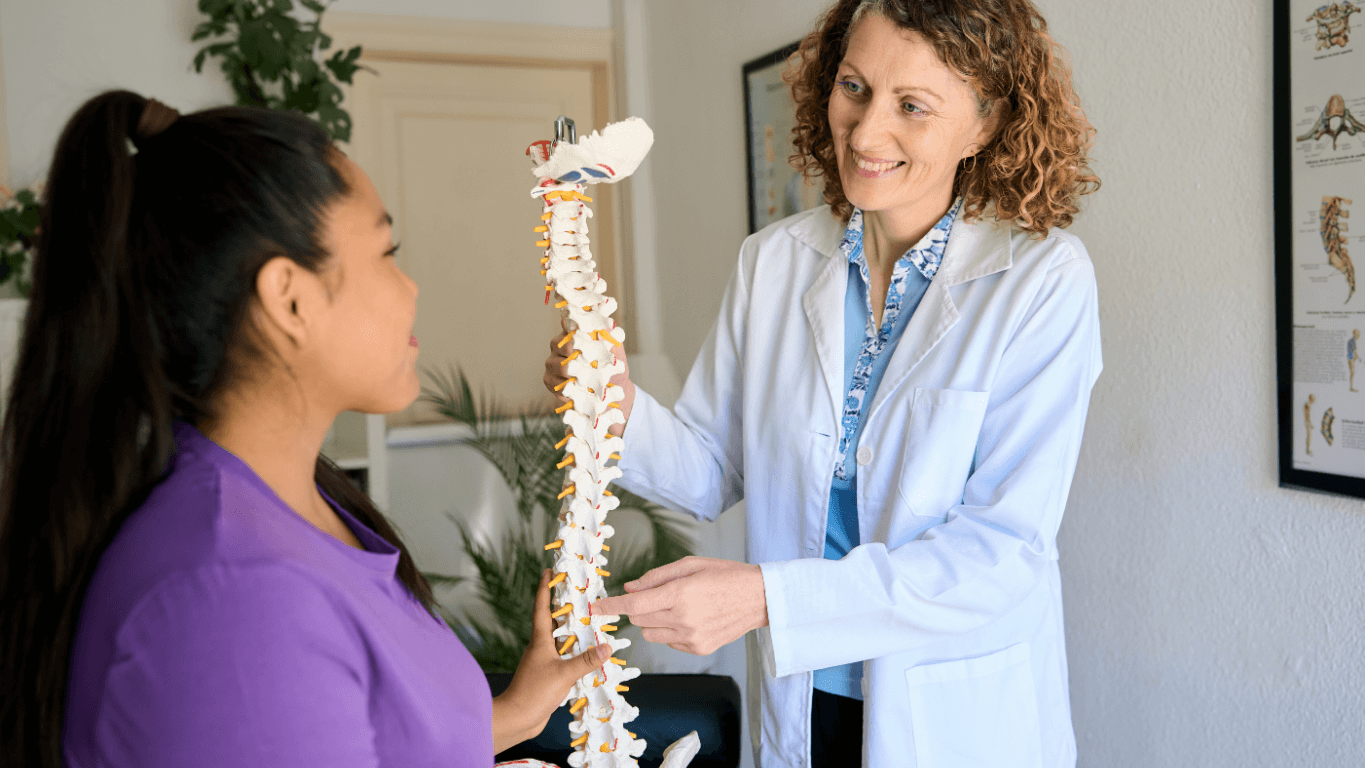
The spine is made up of 24 vertebrae separated by intervertebral discs that act as cushions and shock absorbers. These discs help the spine move while reducing stress during activities like walking, running, lifting, and bending.
Inside the spinal column is the spinal cord, which carries signals between the brain and the rest of the body. Nerves branch out from the spine to support movement, sensation, and coordination throughout the body.
The spine is designed to move and adapt. However, prolonged sitting, repetitive movements, poor posture, stress, injuries, and inactivity can all contribute to stiffness, tension, or reduced mobility over time.
Common Causes of Back Pain and Spinal Stress
Back pain is rarely caused by one single factor. In many cases, it develops gradually through a combination of physical stress, posture, movement habits, and lifestyle factors.

Some common contributors to spinal discomfort include:
- Sitting for long periods
- Poor workstation ergonomics
- Weak core and postural muscles
- Limited mobility and flexibility
- Repetitive movements
- Poor lifting mechanics
- Stress and muscle tension
- Lack of regular movement or exercise
- Sleeping positions that strain the neck or lower back
Modern lifestyles often involve long hours at computers, increased screen time, and reduced movement throughout the day. Over time, this can place additional stress on the spine and surrounding muscles.
The Brain and Spine Connection
The spine and nervous system work closely together. Proper spinal movement provides the brain with important sensory information about posture, balance, coordination, and movement.
Research continues to explore the connections among spinal function, movement patterns, and the nervous system’s information processing. When joints become stiff or movement becomes restricted, the body may begin to compensate in other areas, sometimes contributing to discomfort, reduced mobility, or tension patterns.
This is one reason why maintaining healthy movement and spinal mobility is important for overall physical function.
Simple Tips to Help Keep Your Spine Healthy
Prioritize Daily Movement
One of the best things you can do for your spine is simply move more consistently throughout the day.
Long periods of sitting can increase stiffness and place extra stress on the lower back and neck. Even short movement breaks can help improve circulation, mobility, and posture.
Try to:
- Stand up and move every 30–60 minutes
- Take short walks throughout the day
- Stretch regularly
- Avoid staying in one position for too long
Often, the best posture is your next posture.
Improve Your Posture
Good posture helps distribute stress more evenly throughout the body. While there is no such thing as “perfect posture,” being mindful of alignment can help reduce unnecessary strain on muscles and joints.
Helpful posture habits include:
- Keeping screens at eye level
- Relaxing the shoulders
- Supporting the lower back while sitting
- Keeping both feet flat on the floor
- Avoiding prolonged slouching
Small adjustments throughout the day can make a significant difference over time.
Strengthen Your Core and Supporting Muscles
Strong core, hip, and postural muscles help support the spine and improve stability during movement.
Exercises that may help support spinal health include:
- Walking
- Yoga
- Pilates
- Strength training
- Mobility exercises
- Core stability work
Consistency is often more important than intensity. Starting with manageable movement habits is usually more sustainable long-term.
Optimize Your Workstation Ergonomics
Poor workstation setup is one of the most common contributors to neck and back tension.
Consider:
- Adjusting your chair height
- Keeping monitors at eye level
- Supporting your wrists while typing
- Using supportive seating
- Taking regular standing and stretching breaks
Even simple ergonomic improvements can help reduce daily spinal stress.
Support Recovery and Sleep
Sleep and recovery also play an important role in spinal health. Inadequate sleep, stress, and muscle tension can all contribute to discomfort and stiffness.
Helpful strategies include:
- Maintaining a supportive sleep position
- Using a supportive pillow and mattress
- Managing stress levels
- Staying hydrated
- Prioritizing recovery after physical activity
How Chiropractic Care Can Help
Chiropractic care focuses on improving spinal mobility, joint function, and movement patterns. Many people seek chiropractic care for back pain, neck tension, headaches, posture-related discomfort, and mobility restrictions.
At Santé Chiropractic & Wellness Centre, our care plans are individualized based on each patient’s needs, lifestyle, movement patterns, and health goals.
Depending on the individual, care may include:
- Chiropractic adjustments
- Mobility recommendations
- Postural guidance
- Exercise support
- Soft tissue therapy recommendations
- Lifestyle and ergonomic strategies
The goal is not simply short-term symptom relief but to help patients improve movement, function, and long-term spinal health.
Frequently Asked Questions About Back Pain
Why does my back hurt even if I didn’t injure it?
Back pain often develops gradually from poor posture, repetitive strain, muscle tension, stress, lack of movement, or prolonged sitting rather than from one specific injury.
Can sitting too much cause back pain?
Yes. Long periods of sitting can place increased stress on the lower back, hips, neck, and surrounding muscles, especially if posture and ergonomics are poor.
Is walking good for back pain?
For many people, gentle walking can help improve circulation, mobility, and stiffness. However, the best type of movement depends on the individual and the underlying cause of pain.
When should I see a chiropractor for back pain?
If back pain is persistent, affecting daily activities, limiting movement, or repeatedly returning, it may be beneficial to seek a professional assessment.
Your spine plays a major role in how your body moves, functions, and feels every day. Small daily habits such as moving more often, improving posture, strengthening supporting muscles, and prioritizing recovery can help support long-term spinal health.
If you are experiencing ongoing back pain, stiffness, or mobility issues, the team at Santé Chiropractic & Wellness Centre is here to help.
Book a consultation to learn more about personalized strategies to support your spinal health and overall well-being.
This blog was updated May 2026 to reflect current insights on spinal health, posture, movement, and modern lifestyle factors that may contribute to back pain.